Ensuring that your furry friend receives the best possible care is paramount, especially when it comes to applying your dog’s eye medication. This comprehensive guide will walk you through every necessary step to guarantee both safety and efficiency in applying your dog's eye medication administering eye medication to your dog.
Understanding Your Dog’s Eye Condition
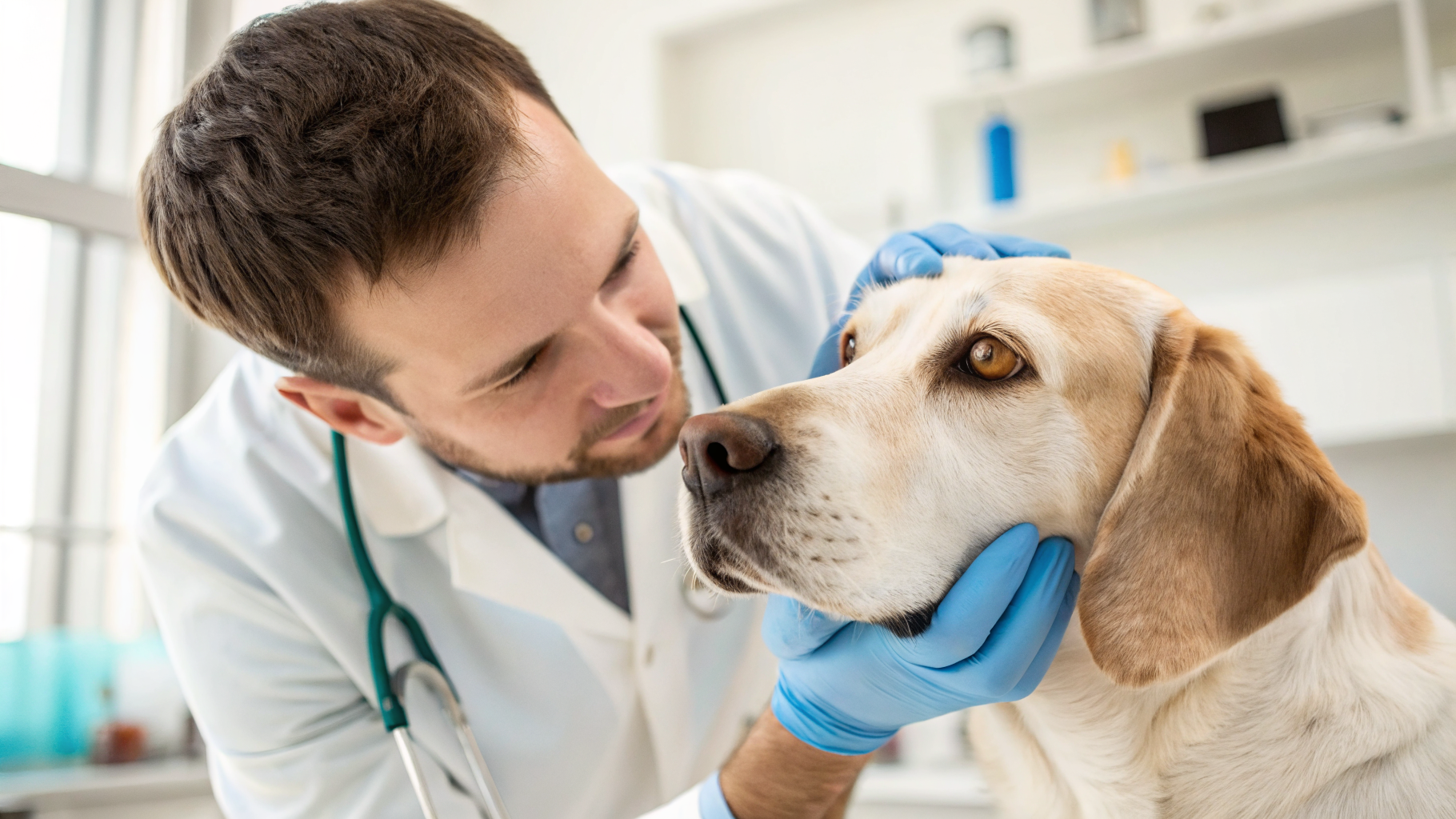
The first step toward effective treatment is understanding what your dog’s specific eye condition might be. eye conditions in dogs Various eye conditions can afflict dogs, and knowing them can help in determining the right course of action.
Common Eye Conditions in Dogs
common eye conditions Some prevalent eye conditions in dogs include conjunctivitis, dry eye, and cataracts. symptoms, such as redness Each of these conditions has distinct symptoms, such as redness, discharge, or cloudiness. By recognizing these symptoms early, you can address the issue before it worsens.
When to Consult a Veterinarian
Always consult a veterinarian when you notice any changes in your dog’s eyes. diagnose the condition A professional can diagnose the condition effectively and prescribe the correct eye medication, ensuring your dog’s treatment is both safe and reliable.
Understanding Your Dog’s Eye Condition
The first step toward effective treatment is understanding what your dog’s specific eye condition might be. eye conditions in dogs Various eye conditions can afflict dogs, and knowing them can help in determining the right course of action.
Common Eye Conditions in Dogs
common eye conditions Some prevalent eye conditions in dogs include conjunctivitis, dry eye, and cataracts. symptoms, such as redness Each of these conditions has distinct symptoms, such as redness, discharge, or cloudiness. By recognizing these symptoms early, you can address the issue before it worsens.
When to Consult a Veterinarian
Always consult a veterinarian when you notice any changes in your dog’s eyes. diagnose the condition A professional can diagnose the condition effectively and prescribe the correct eye medication, ensuring your dog’s treatment is both safe and reliable.
Gathering Necessary Supplies
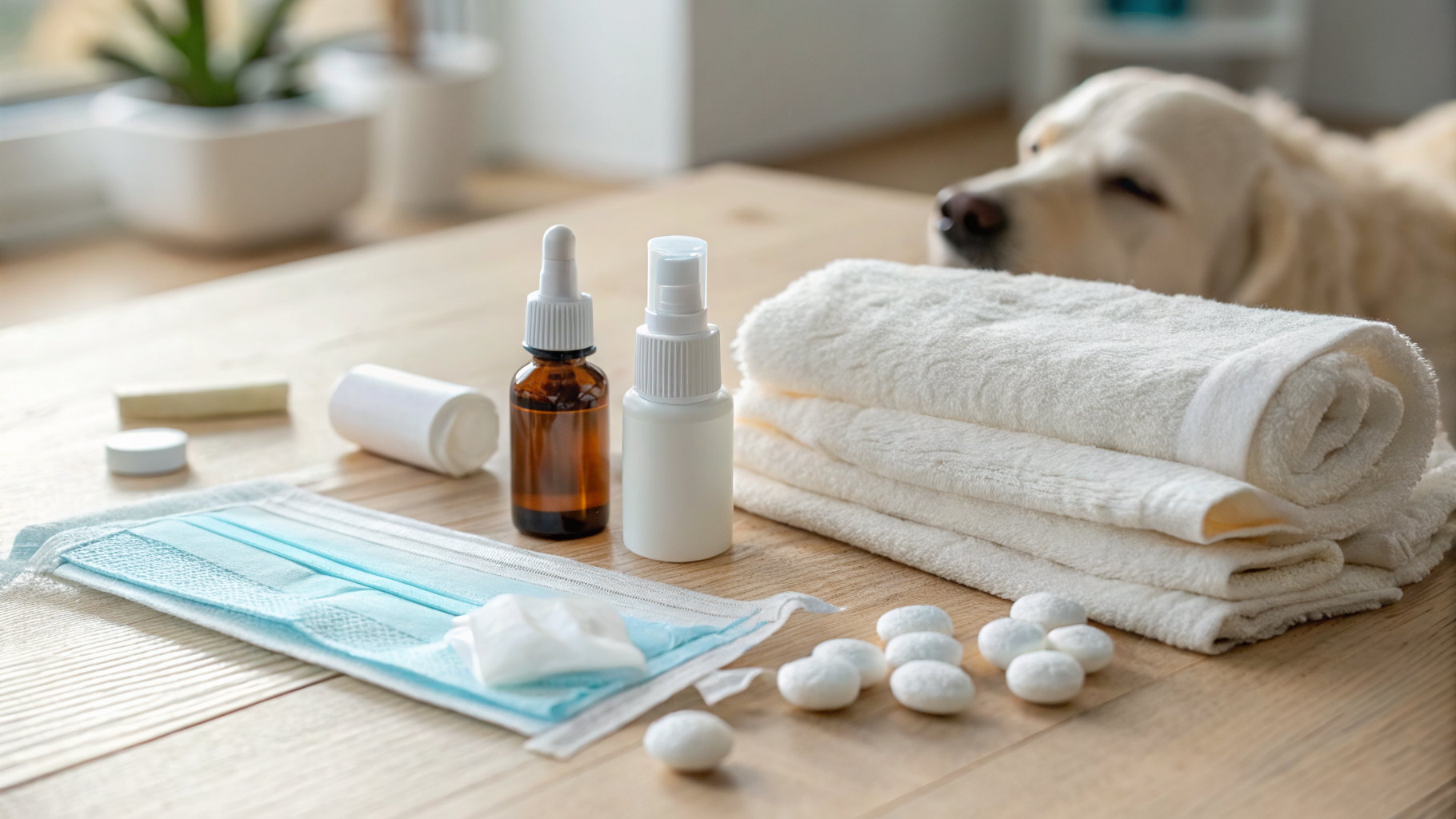
Before administering any medication, it’s crucial to gather all the necessary supplies to ensure a smooth and efficient process.
List of Essential Supplies
Essential supplies include your vet-prescribed eye drops or ointment, cotton balls, tissues, and a clean towel. Having these items on hand will facilitate a seamless medication application.
Where to Purchase Eye Medication
Eye medication can typically be purchased at your vet’s office or recommended pet pharmacy. Online pet pharmacies also offer a wide range of options, but always ensure medications are sourced from reputable vendors to guarantee quality and safety.
Gathering Necessary Supplies
Before administering any medication, it’s crucial to gather all the necessary supplies to ensure a smooth and efficient process.
List of Essential Supplies
Essential supplies include your vet-prescribed eye drops or ointment, cotton balls, tissues, and a clean towel. Having these items on hand will facilitate a seamless medication application.
Where to Purchase Eye Medication
Eye medication can typically be purchased at your vet’s office or recommended pet pharmacy. Online pet pharmacies also offer a wide range of options, but always ensure medications are sourced from reputable vendors to guarantee quality and safety.
Preparing for Medication Application

Proper preparation is key to applying your dog’s eye medication smoothly, ensuring both you and your dog are comfortable during the process.
Creating a Calm Environment
Create a serene setting by choosing a quiet room, speaking in soft tones, and offering a favorite toy or blanket. A calm environment helps minimize stress and anxiety for your pet.
Ensuring Proper Hygiene
Wash your hands thoroughly before handling the medication or touching your dog’s eyes. Cleanliness prevents introducing any new bacteria to the eyes, ensuring the treatment’s effectiveness.
Preparing for Medication Application
Proper preparation is key to applying your dog’s eye medication smoothly, ensuring both you and your dog are comfortable during the process.
Creating a Calm Environment
Create a serene setting by choosing a quiet room, speaking in soft tones, and offering a favorite toy or blanket. A calm environment helps minimize stress and anxiety for your pet.
Ensuring Proper Hygiene
Wash your hands thoroughly before handling the medication or touching your dog’s eyes. Cleanliness prevents introducing any new bacteria to the eyes, ensuring the treatment’s effectiveness.
Step-by-Step Guide to Applying Eye Medication
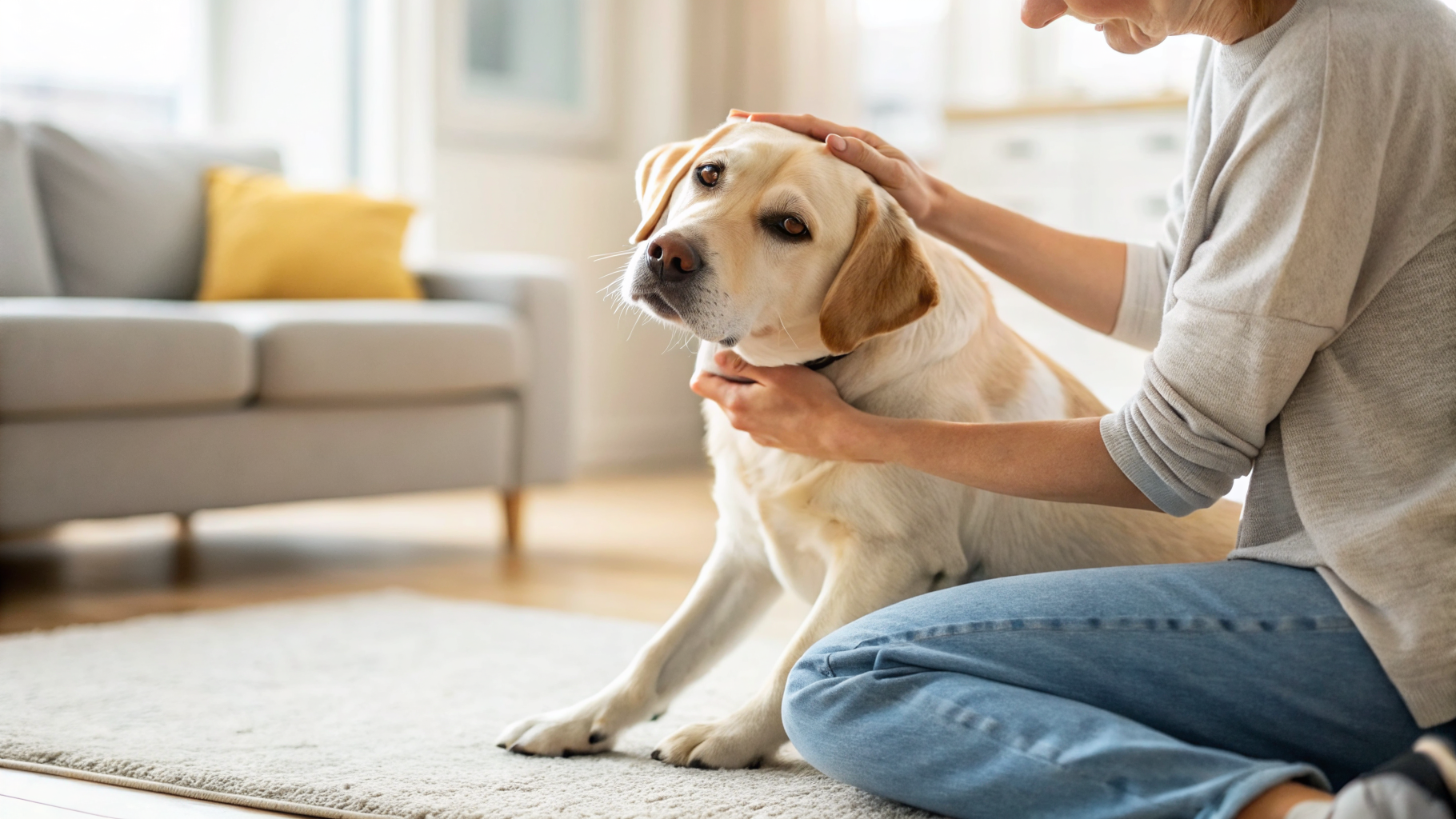
Administering eye medication correctly is crucial for your dog’s recovery. Follow this guide to ensure proper application.
How to Hold Your Dog Safely
Use a gentle but firm grip to hold your dog still. For small dogs, place them on a table at eye level. Larger dogs can sit by your side on the floor. Using treats for distraction can also be helpful.
Administering Drops vs. Ointment
For eye drops, tilt your dog’s head slightly back and drop the medicine into the corner of the eye. With ointment, pull the lower eyelid down and squeeze a small amount into the pocket. Always follow your vet’s instructions concerning dosage.
Tips for Different Dog Sizes
Small dogs can be held easily in your lap, while larger breeds might require a partner to assist. Adjust your approach based on your dog’s size and temperament for the most successful application.
Step-by-Step Guide to Applying Eye Medication
Administering eye medication correctly is crucial for your dog’s recovery. Follow this guide to ensure proper application.
How to Hold Your Dog Safely
Use a gentle but firm grip to hold your dog still. For small dogs, place them on a table at eye level. Larger dogs can sit by your side on the floor. Using treats for distraction can also be helpful.
Administering Drops vs. Ointment
For eye drops, tilt your dog’s head slightly back and drop the medicine into the corner of the eye. With ointment, pull the lower eyelid down and squeeze a small amount into the pocket. Always follow your vet’s instructions concerning dosage.
Tips for Different Dog Sizes
Small dogs can be held easily in your lap, while larger breeds might require a partner to assist. Adjust your approach based on your dog’s size and temperament for the most successful application.
Aftercare for Your Dog’s Eye Treatment
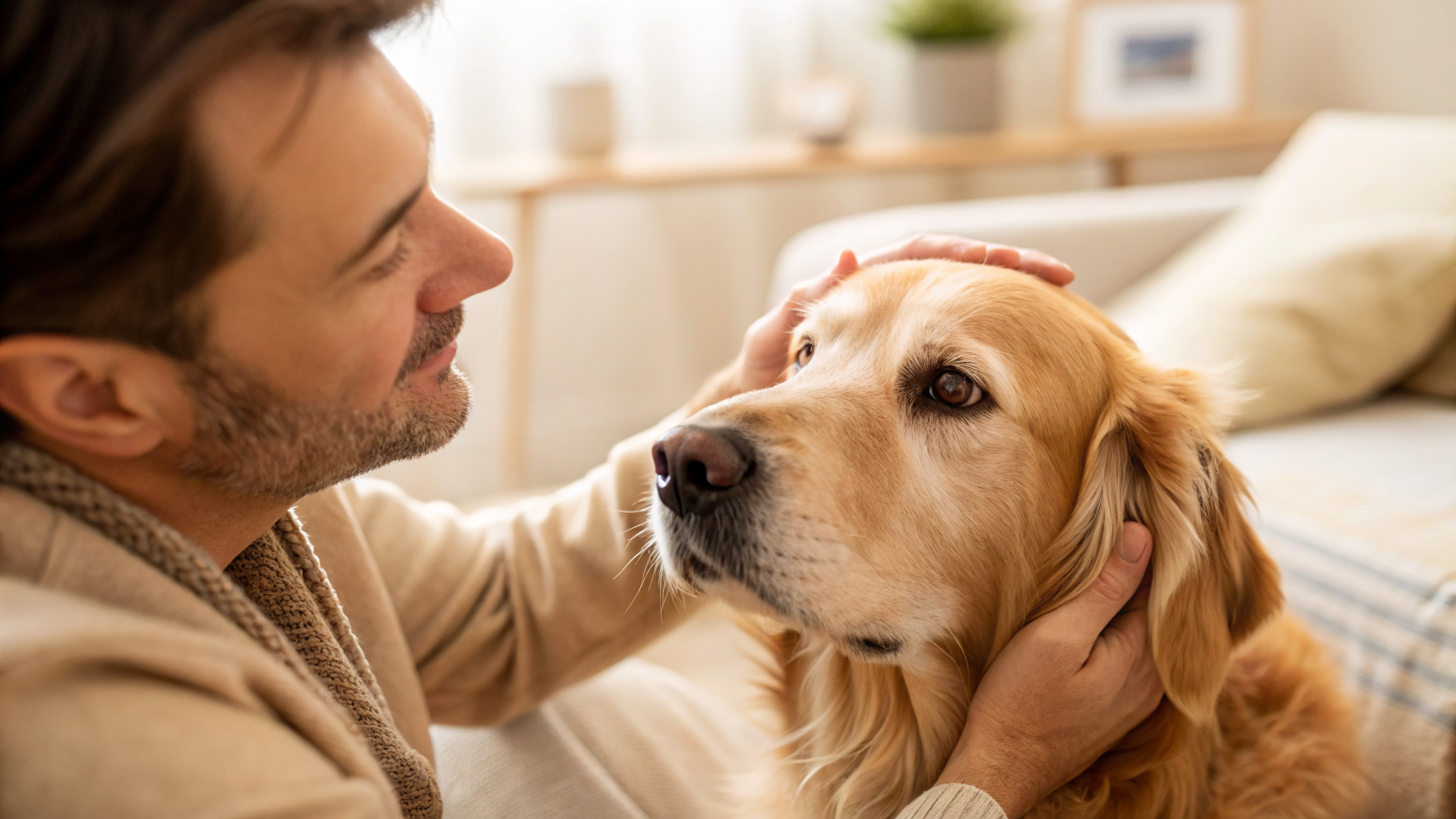
Monitoring your dog after administering eye medication is just as important as the application process itself to ensure recovery.
Monitoring Your Dog’s Response
Observe your dog for any immediate adverse reactions such as swelling or excessive tearing. Keeping a close watch over the next few days is also essential to ensure almost any complications are noticed early.
When to Follow Up with a Vet
If symptoms persist or worsen, contact your veterinarian for further assessment. Regular follow-ups can prevent serious complications from developing and ensure your pet’s eyes are healing properly.
Aftercare for Your Dog’s Eye Treatment
Monitoring your dog after administering eye medication is just as important as the application process itself to ensure recovery.
Monitoring Your Dog’s Response
Observe your dog for any immediate adverse reactions such as swelling or excessive tearing. Keeping a close watch over the next few days is also essential to ensure almost any complications are noticed early.
When to Follow Up with a Vet
If symptoms persist or worsen, contact your veterinarian for further assessment. Regular follow-ups can prevent serious complications from developing and ensure your pet’s eyes are healing properly.
Common Challenges and How to Overcome Them
Applying eye medication to your dog can sometimes be challenging. Here’s how to address potential issues you may face.
Dealing with a Fussy Dog
If your dog is resistant, try incorporating medication application into a routine with rewards. Consistent positive reinforcement can make the process less daunting for both you and your dog.
Understanding Side Effects
Understanding potential side effects, such as itching or mild swelling after initial application, is important. If symptoms seem severe or prolonged, seek veterinary advice without delay.
Common Challenges and How to Overcome Them
Applying eye medication to your dog can sometimes be challenging. Here’s how to address potential issues you may face.
Dealing with a Fussy Dog
If your dog is resistant, try incorporating medication application into a routine with rewards. Consistent positive reinforcement can make the process less daunting for both you and your dog.
Understanding Side Effects
Understanding potential side effects, such as itching or mild swelling after initial application, is important. If symptoms seem severe or prolonged, seek veterinary advice without delay.
Comparing Different Eye Medications
There are a variety of eye medications available, each serving unique purposes. Understanding these can aid in effective treatment.
Antibiotics vs. Anti-inflammatories
Antibiotics target bacterial infections, while anti-inflammatories reduce inflammation and alleviate pain. Your vet will prescribe based on the specific needs of your dog’s condition.
Prescription vs. Over-the-counter
Prescription medications are tailored for specific conditions, offering precise dosages and formulations. Over-the-counter options can be useful in mild cases but should be used with caution and professional guidance.
Comparing Different Eye Medications
There are a variety of eye medications available, each serving unique purposes. Understanding these can aid in effective treatment.
Antibiotics vs. Anti-inflammatories
Antibiotics target bacterial infections, while anti-inflammatories reduce inflammation and alleviate pain. Your vet will prescribe based on the specific needs of your dog’s condition.
Prescription vs. Over-the-counter
Prescription medications are tailored for specific conditions, offering precise dosages and formulations. Over-the-counter options can be useful in mild cases but should be used with caution and professional guidance.
Pros and Cons of Dog Eye Medication
Like all treatments, dog eye medications come with their share of advantages and disadvantages.
Benefits of Early Treatment
Early intervention can prevent conditions from escalating, preserving your dog’s eyesight and ensuring a better quality of life.
Potential Risks and Complications
Poorly administered medication or allergic reactions can complicate a condition. Always follow veterinary guidance closely to minimize these risks.
Pros and Cons of Dog Eye Medication
Like all treatments, dog eye medications come with their share of advantages and disadvantages.
Benefits of Early Treatment
Early intervention can prevent conditions from escalating, preserving your dog’s eyesight and ensuring a better quality of life.
Potential Risks and Complications
Poorly administered medication or allergic reactions can complicate a condition. Always follow veterinary guidance closely to minimize these risks.
Frequently Asked Questions
Addressing common concerns can help alleviate anxiety about caring for your dog’s eyes.
How Often Should Medication be Applied?
Prescription instructions should detail the frequency, but typically, eye drops can be applied several times a day, whereas ointments are less frequent. Always adhere to your veterinarian’s recommendations.
What If I Miss a Dose?
If you miss a dose, administer it as soon as possible unless it’s close to the next scheduled dose. Never double up to make up for a missed application as this can increase the risk of side effects.
Frequently Asked Questions
Addressing common concerns can help alleviate anxiety about caring for your dog’s eyes.
How Often Should Medication be Applied?
Prescription instructions should detail the frequency, but typically, eye drops can be applied several times a day, whereas ointments are less frequent. Always adhere to your veterinarian’s recommendations.
What If I Miss a Dose?
If you miss a dose, administer it as soon as possible unless it’s close to the next scheduled dose. Never double up to make up for a missed application as this can increase the risk of side effects.
Conclusion: Ensuring the Best Care for Your Dog’s Eyes
By following these guidelines, you can ensure that your dog receives the best possible care. Knowing the essential steps for applying your dog’s eye medication safely and effectively is crucial for their health and comfort.
Recap of Key Steps
From preparing properly to monitoring aftercare, each step is designed to offer the utmost care for your dog’s eye health.
Encouragement for Pet Owners
Your dog relies on you for care and compassion, and addressing eye health issues promptly can prevent future problems. Stay informed, consult with your vet, and trust in your ability to provide the best care.
